













Five lodges on the Grand Canyon’s South Rim are preparing to welcome guests again. In its November 11 update, The Points Guy highlights Grand Canyon National Park Lodges’ November 20 reopening target. With Thanksgiving approaching, that is encouraging news. It concerns five properties run by one operator, however. Lodging and services across the park will not all resume at once.
That distinction matters to anyone planning a road trip through the American West. An overnight stop means planning an arrival time, finding dinner and deciding what to do the next day. Staying inside the park may have been a way to enjoy the scenery without getting back in the car. If the hotel or expected services are unavailable, those arrangements change. A room appearing in a booking engine does not yet explain how the evening will work.
We welcome the reopening. But we also expect operators to support the customers considering a return. Hotel, transportation and access information is spread across several pages run by different organizations. Travelers should not have to untangle those timelines on their own to establish whether the trip still works. Clear confirmation for their property and dates would already be a considerable help.
Cover photograph. The Grand Canyon’s South Rim in December 2021. Archival photograph, taken before the August 2026 flood. Photo: Mx. Granger / Wikimedia Commons, CC0 1.0. Resized.
November 20 concerns five Xanterra lodges
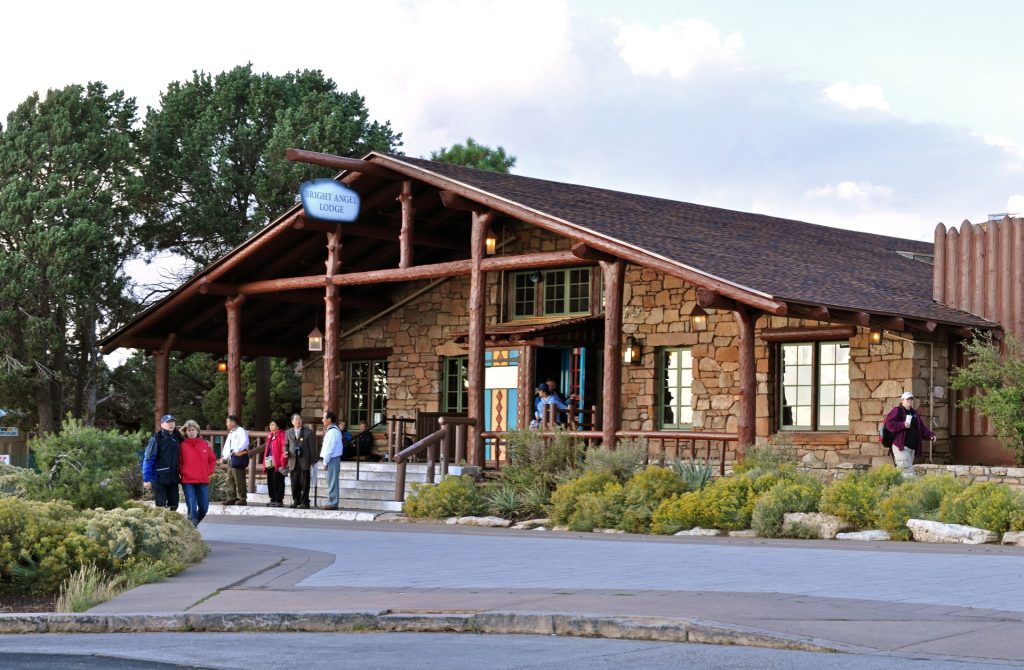
In its October 28 alert, Xanterra plans to reopen Bright Angel Lodge, El Tovar Hotel, Kachina Lodge, Maswik Lodge and Thunderbird Lodge on November 20. Guests will have to wait until at least that date to stay overnight. For now, the operator is keeping reservations from November 20 in place while noting that conditions may change. The flood that damaged water supply infrastructure occurred on August 29.
That is the scope of the announcement as of November 13. The press update is recent; the operator had already published its timetable. This does not make the news less useful, but another report of the same information should not be mistaken for additional confirmation. November 20 remains a target, rather than evidence that hotels have already started welcoming overnight guests again.
Other properties have different timelines. Delaware North’s notice distinguishes open lodging in Tusayan from overnight stays still suspended inside the park. It gives no November 20 reopening date for Yavapai Lodge or Trailer Village. Someone who remembers only that “Grand Canyon hotels are reopening” could therefore take a much broader message from the news than the announcement supports.
We do not fault an operator for working with a forecast while repairs continue. That qualification should remain visible when it accepts a booking, though. Someone choosing the first proposed night needs to know when they will be told if overnight stays cannot resume, and who will handle their reservation. Access to an alerts page does not replace that follow-up.
Services and trails: the situation as of November 13
The National Park Service’s operational update, revised November 4, gives a useful picture of the remaining constraints. Trailer Village is closed. Mather Campground allows camping with water restrictions; the showers and laundry at Camper Services are closed. The Purple Route shuttle between Tusayan and the park does not operate at this time of year. Such details may do more to determine the right lodging choice than a photograph of a room.

Camping, for example, is not an obvious substitute for a family traveling with hotel reservations. Someone equipped for self-sufficient camping knows what they need. A traveler looking for a last-minute alternative will also have to arrange meals, somewhere to shower and the next day’s plans. A vacant campsite does not answer every one of those questions. We would rather see that difference explained clearly than every place to spend the night presented as an equivalent option.
Even with a room, dinner can make all the difference. After a long drive, another trip to find a restaurant may be the last thing you want. With children, that detour could become the evening’s biggest constraint. A page describing the hotel’s usual restaurants does not establish which ones will serve dinner on your arrival date. Their planned hours and any limits to the available options matter much more than photographs of tables set for a meal.
Hiking plans require a different source of information. According to the National Park Service’s closure information, North Kaibab Trail, the entire Phantom Ranch area, Black Bridge and Silver Bridge remain closed. No reopening date has been announced for those areas. A hotel’s status on the rim tells you nothing about a route inside the canyon. Access and water availability must be checked directly with the park for the specific trip being considered.
Xanterra also says Phantom Ranch will remain closed through at least January 31, 2027. For affected guests, a room on the rim does not replace the overnight stay they expected deep in the canyon. It may make a different visit possible, but the nature of the trip has changed. Finding another bed does not mean the original vacation has been rescued.

Conversely, someone coming mainly for views from the rim may still have a visit that suits them very well. This is where broad advice becomes unhelpful: two customers can read the same information and reasonably make opposite decisions. One keeps the trip; the other postpones. What matters is whether the activities still available match the reason each wanted to come.
Tusayan may work; changing rims means changing the itinerary
Staying outside the park can be a good choice for a day visit with your own transportation. It lets you settle where you will sleep and plan the driving accordingly. There is nothing inherently second-rate about that stay. It does change the time you intended to spend on site, however: going out after dinner, returning to rest during the day or leaving a morning unplanned will no longer work quite the same way.
The room rate therefore needs to be weighed alongside driving and meals. A cheaper room loses some of its appeal if it means extra trips you did not want. Paying more to stay close to the places you plan to visit may make sense. In either case, compare the whole stay. However good an outside hotel is, it cannot offer the location of the lodge you originally chose.
The North Rim represents a much bigger change. The National Park Service puts the drive between the two villages at roughly 215 miles, or 346 kilometers, usually taking four to five hours. That drive estimate says nothing about traffic or November road conditions. It does make clear that you are changing the itinerary. Adding that drive to an already full day could remove the appeal of the proposed alternative.

More importantly, the North Rim page, updated November 10, says it is open through November 30 unless a major snowstorm brings an earlier closure. There is no in-park lodging; the campground, gas station and general store are closed for the season. Treating it as an automatic backup for a night planned on the South Rim would therefore be a poor way to organize the trip.
Put the alert where customers book
The Trailer Village property page describes a year-round campground, its hookups and the option to book. The operational alert says it is closed. The property page explains what guests would normally find there; the alert describes current conditions. Readers need to put the two together to understand what they can do. It is a concrete example of work that is still too often left to the customer.
A permanent property page is also useful when planning for another season. But it should make clear immediately when a closure currently prevents guests from using the facilities described. Otherwise, travelers are comparing a theoretical offer with the services actually available elsewhere. Accurate information filed away on another page is of little help at the moment someone is making a choice.
The confirmation should then explain what is known about the stay: the dates affected, the services planned and a contact who can answer questions about the reservation. If a decision is still pending, the hotel can say so and explain when it will get back to the customer. We prefer that honesty to reassuring language that offers no help with the next step. A hotel can give clear updates even while its reopening date remains uncertain.
We made this point in our editorial on the need for simplicity in a complex world. Companies have their own constraints and division of responsibilities. Customers want to know what to expect when they arrive. They should not have to become experts in the park’s concession arrangements to understand what they are buying. Explaining the effects of a complicated situation is part of the service, just as answering a question at the front desk is.

A new website or another document is not necessarily what is missing. Sometimes it is simply a message to the right person about the right dates. The information is already published; operators know which reservations they have accepted. Connecting the two would help more than another list of links. That is particularly true shortly before arrival, when the traveler needs to decide whether to book or change the rest of a road trip.
A refundable room does not make the whole trip flexible
Xanterra’s standard terms require a deposit of the first night’s room charge and tax. Under its general hotel policy, guests must cancel at least two days before arrival and obtain a cancellation number to receive their deposit back, subject to their reservation terms. The deadline is three days for The Grand Hotel and Grand Canyon Hotel & Suites outside the park. Check the specific offer purchased.
Those standard conditions should not be confused with the handling of an operator-imposed closure. Before canceling yourself, establish which procedure applies to your reservation. An announcement of disruption does not mean the entire trip will be refunded: airfare, car rentals and other hotel bookings retain their own conditions.
Above all, compare the cancellation deadline with the date when you expect to know more. If the cutoff comes before the next decisive update, the word “flexible” still leaves a real choice: cancel in time or keep the room and accept the uncertainty. Waiting without checking that date means making the choice by default. Paying extra for a more flexible rate is worthwhile only if you can use that flexibility when you need it.

Consider one night in the middle of a road trip. If moving it means rearranging the following stops, a room refund solves only a small part of the problem. If another hotel lets you keep the rest of the route, the change will be easier. Assess the cost of the entire decision. That avoids paying a lot to protect a small expense, or refusing a reasonable extra charge that would preserve arrangements you care about.
Researching an alternative helps; holding a collection of rooms is less useful. Xanterra also prohibits multiple bookings intended to hold inventory artificially. More reservations mean more deposits, deadlines and cancellations to remember. Identifying an alternative, understanding its terms and deciding when you are ready to book it is a simpler arrangement.
If the activity that motivated the trip is no longer possible, consider postponing the trip. You may have spent a great deal of time planning the vacation. That does not make the itinerary feasible today. We would rather take a trip we look forward to than spend the vacation trying to preserve plans that no longer work. Keeping every stop on paper is no guarantee that you will enjoy the vacation.
A reopening target needs proper follow-up
We hope all five lodges can welcome guests on November 20. Operators cannot control every stage of repairs, and setbacks can occur despite the teams’ work. Demanding a guarantee that cannot be given would not move the work forward. Publishing a target is therefore welcome. What will make the difference is how operators support customers who booked on the basis of that forecast.
Travelers may be happy with fewer services or a reduced itinerary. They need the chance to make that choice before departure. A successful reopening also means telling customers early enough and helping them adjust their plans when necessary.


